
Microcurrent Neurofeedback for Epilepsy
Can Neurofeedback Help With Epilepsy? Understanding MCN and Seizure Control
Epilepsy is a life altering brain condition. It causes seizures, which are episodes of uncontrolled electrical activity that affect behaviors, feelings, and sensations.
It can affect one’s day-to-day routine, sleep, work, social life and relationships.
For some people, medication alone does not resolve all of the issues. Medications can cause unwanted side effects and sometimes do not completely diminish the symptoms of epileptic episodes.
Microcurrent Neurofeedback (MCN) is a holistic, brain-training alternative some clinics have begun to offer. Many patients suffering with epilepsy have begun to include MCN in their health journey along with their medications.
In this article we are going to explore how Microcurrent Neurofeedback may be the relief that you’ve been looking for to help your Epilepsy.
The Science Behind Neurofeedback for Epilepsy
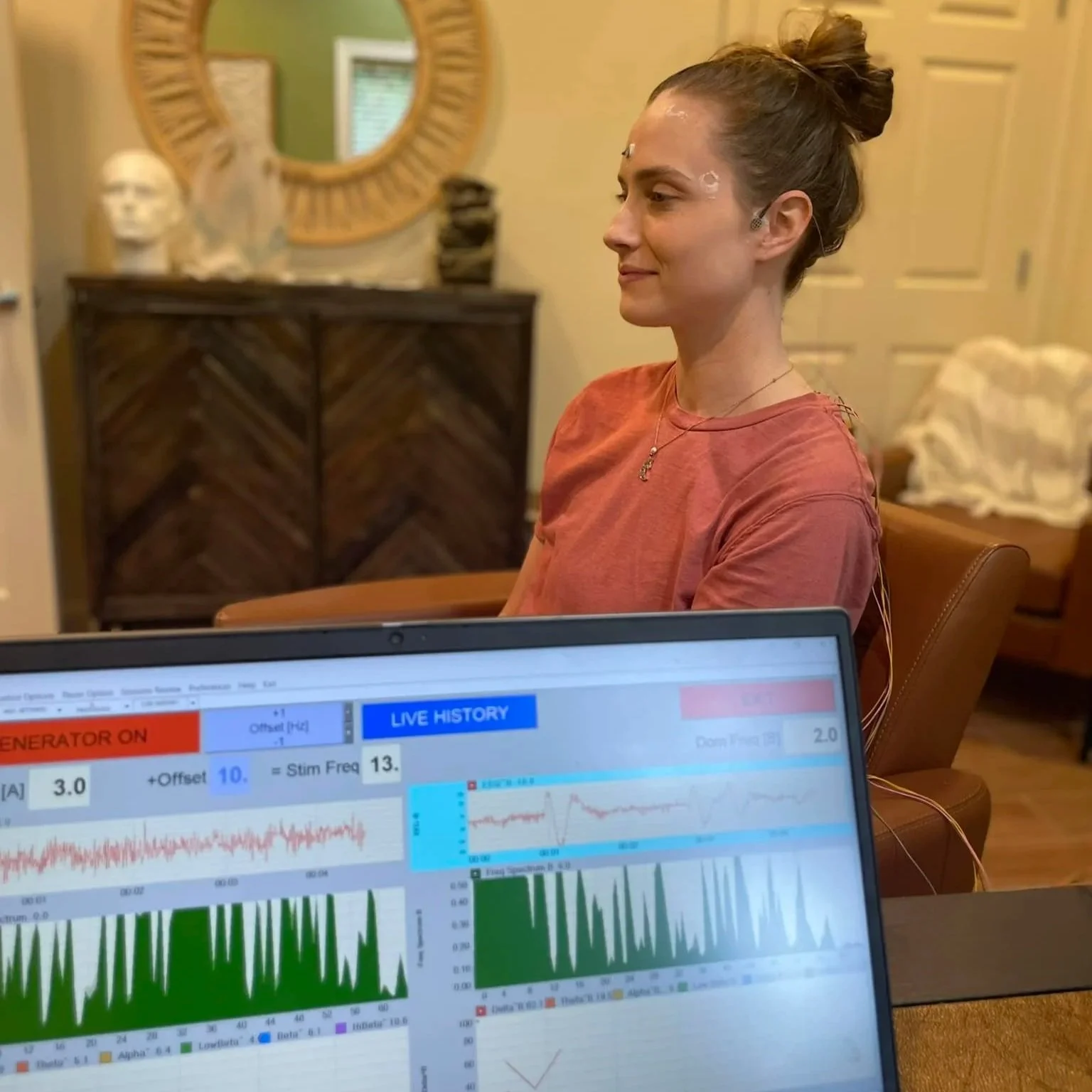
Microcurrent Neurofeedback Monitors Brainwaves and Shifts Them For You
Neurofeedback uses EEG sensors to monitor your brain waves and detect when your electrical activity begins to move out of sync.
With traditional neurofeedback, games or other mental tasks are used to help you know when your brain starts to become stuck and how you can fix it.
With microcurrent neurofeedback, the sensors do it all for you, allowing you to sit back and relax for a quick, and painless session.
Over the last several decades it has been found that different types of brain waves, alpha, beta, delta, SMR, theta, and gamma, can be manipulated by stimulating different parts of the brain.
By training different parts of the brain, different mental or learning disabilities can be made better.
Anxiety and ADHD are associated with beta levels, depression is associated with theta brain waves, and epilepsy is associated with SMR or sensorimotor rhythm.
By stimulating the sensorimotor cortex it is believed that the symptoms of epilepsy can be lessened, hypothetically stabilizing cortical excitability and promoting more regulated neural activity over time.
What Research Shows: Promising But Preliminary
How Neurofeedback Relates to Epilepsy
Epilepsy involves abnormal patterns of electrical activity in the brain. For decades, researchers have explored whether helping the brain regulate these patterns could reduce seizure frequency.
Studies on EEG neurofeedback — a form of training where individuals learn to influence their brain activity through feedback — have shown promising results.
A large analysis of neurofeedback research found that many patients with medication-resistant epilepsy experienced meaningful reductions in seizure frequency after training. In some cases, participants had fewer seizures per week after learning to stabilize specific brainwave patterns.
These findings support an important idea:
When the brain becomes more stable and regulated, seizure activity may decrease.
Where Microcurrent Neurofeedback Fits In
Microcurrent neurofeedback (MCN) builds on this same concept of brain self-regulation, but uses a different approach.
Instead of asking the brain to consciously change its activity, MCN detects dysregulated electrical patterns and delivers extremely small electrical signals back to the nervous system.
These signals are gentle — often below the level of conscious sensation — and are designed to help the brain recognize and adjust inefficient patterns on its own.
While microcurrent neurofeedback has not yet been studied as extensively as traditional EEG neurofeedback for epilepsy, it is based on similar principles of nervous system regulation. For this reason, MCN is used as a supportive, non-invasive option alongside standard medical care.
What a Neurofeedback / MCN Treatment Plan for Epilepsy Might Look Like
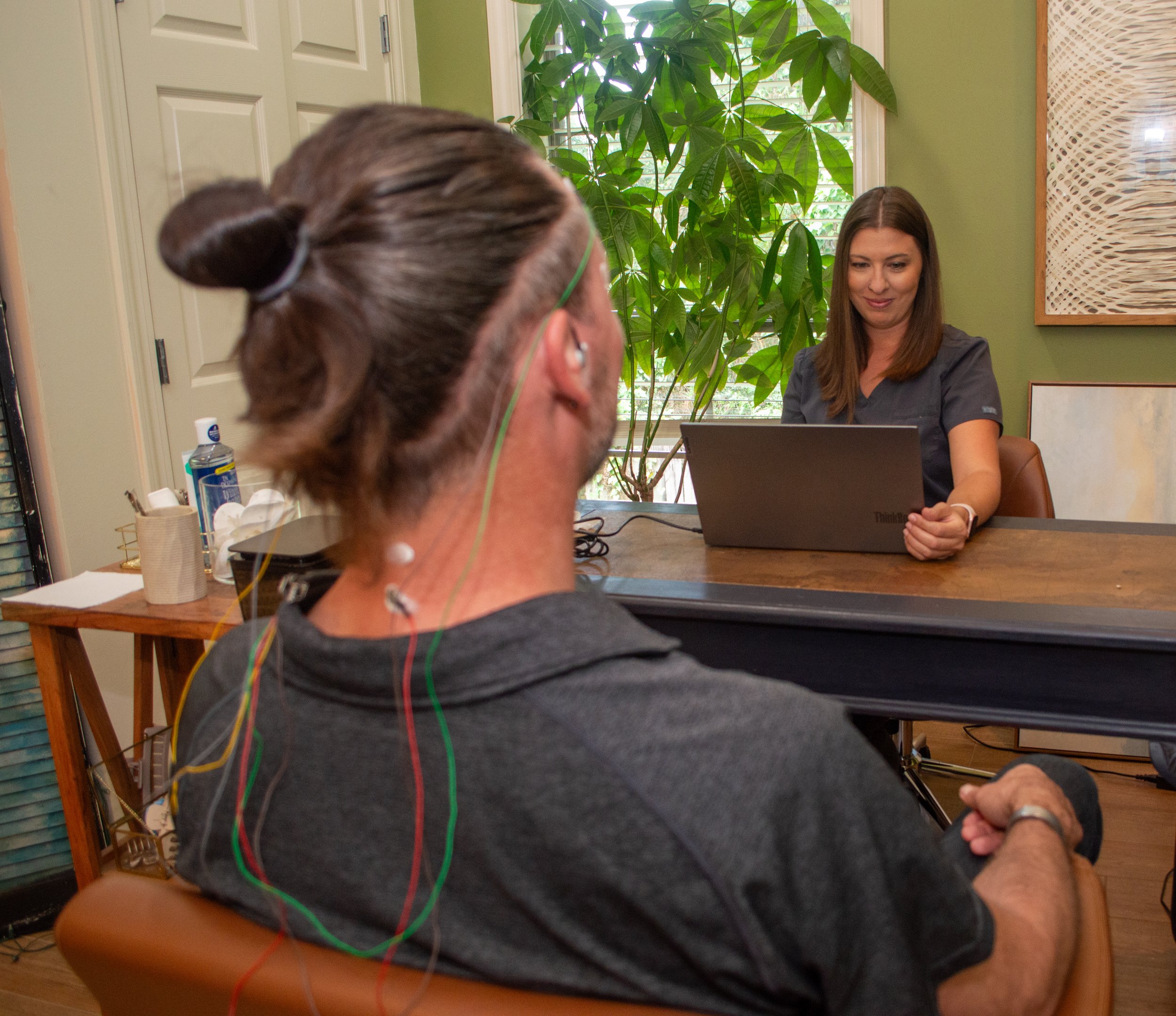
To begin a treatment plan, a specialist will perform an intake exam, height and weight, seizure frequency, and medications. An epilepsy centered protocol will be used.
Appointments are often scheduled with several in a week to be slowly tapered over a few months. Many studies report meaningful results over several months of sessions.
So what can you expect? A probable reduction in seizure frequency, better regulation of brain activity, potential to reduce medications, but also a realistic need for ongoing monitoring.
Safety, Risks, and What We Don’t Know
Neurofeedback is non-invasive and considered generally safe when administered by trained professionals.
It is important for patients to continue prescribed treatment, work with neurologists, and treat neurofeedback as complimentary care rather than replacement.
Who Might Benefit (and Who Should Be Cautious)
Good candidates:
People with epilepsy not fully controlled by medication
Individuals open to adjunct therapies and ready to commit to consistent sessions
Patients seeking non-drug support in addition to standard care
Exercise caution if:
Seizures are uncontrolled and severe: coordinate closely with a neurologist
Using implanted stimulators or incompatible devices
Expecting quick, guaranteed remission. This is not assured
Why Gulf Coast Neurowellness Might Be Worth a Look
Free consultation and first session.
Trained clinicians skilled in seizure-safe neurofeedback.
Personalized treatment plans: no “one-size-fits-all”
At Gulf Coast Neurowellness, you won’t be just another number, we know you by name and will be excited to join you on your recovery to a happier life. Book a free consultation now to see how MCN can help.
